Living with Lead: the Unjust Justice of Life in the Lower Klity Creek
The story of people in Lower Klity Creek Village whose lifeblood was toxic by lead mining, the history of failed clean-up efforts by the government, and the community fight for justice.
Story by Thanakrit Thongfa
Story of Pwo Karen
Location: Lower Klity Creek Village, Cha Lae, Thong Pha Phum,Kanchanaburi


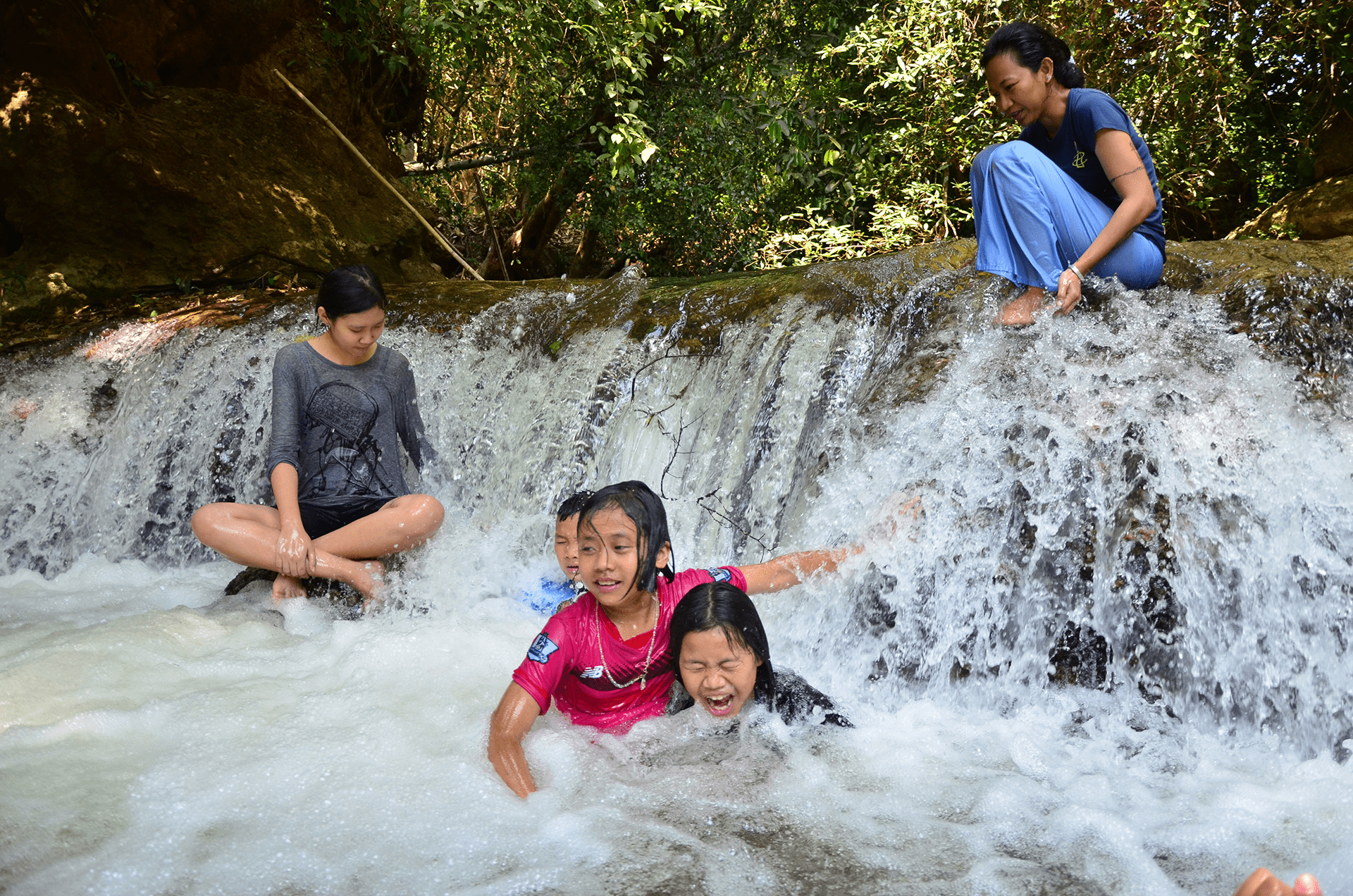
For as long as the Lower Klity Creek community has existed, the Klity Creek has been the main and only source of water that local residents have relied on. An old saying, often uttered by village elders, exemplifies how important the creek is to life in Lower Klity: ‘where there is water, there is life; where there is no water, there is no life.’ Residents do not only use the water from the creek for drinking and cooking, but also for farming, sanitation, laundry, etc. The rich diversity of fauna that lives in the creek, including fish, shrimp, shellfish, and crab, also serves as an important source of food. For local children, a creek is a place of endless joy. Many of them learn to swim here from a very young age. With life in the Lower Klity so intertwined with it, there is no doubt that the creek is the lifeblood and soul of the community.
 

However, when the Lead Concentrates Company, Ldt. started operating a lead mine 12 kilometres north of the Lower Klity village in 1967 and lead effluents were discharged into the creek without any filtering or water treatment, the vital water source was transformed into a deadly disaster. Outraged and empowered, the residents of the Lower Klity village united to fight against this injustice and continue to do so to this day. 
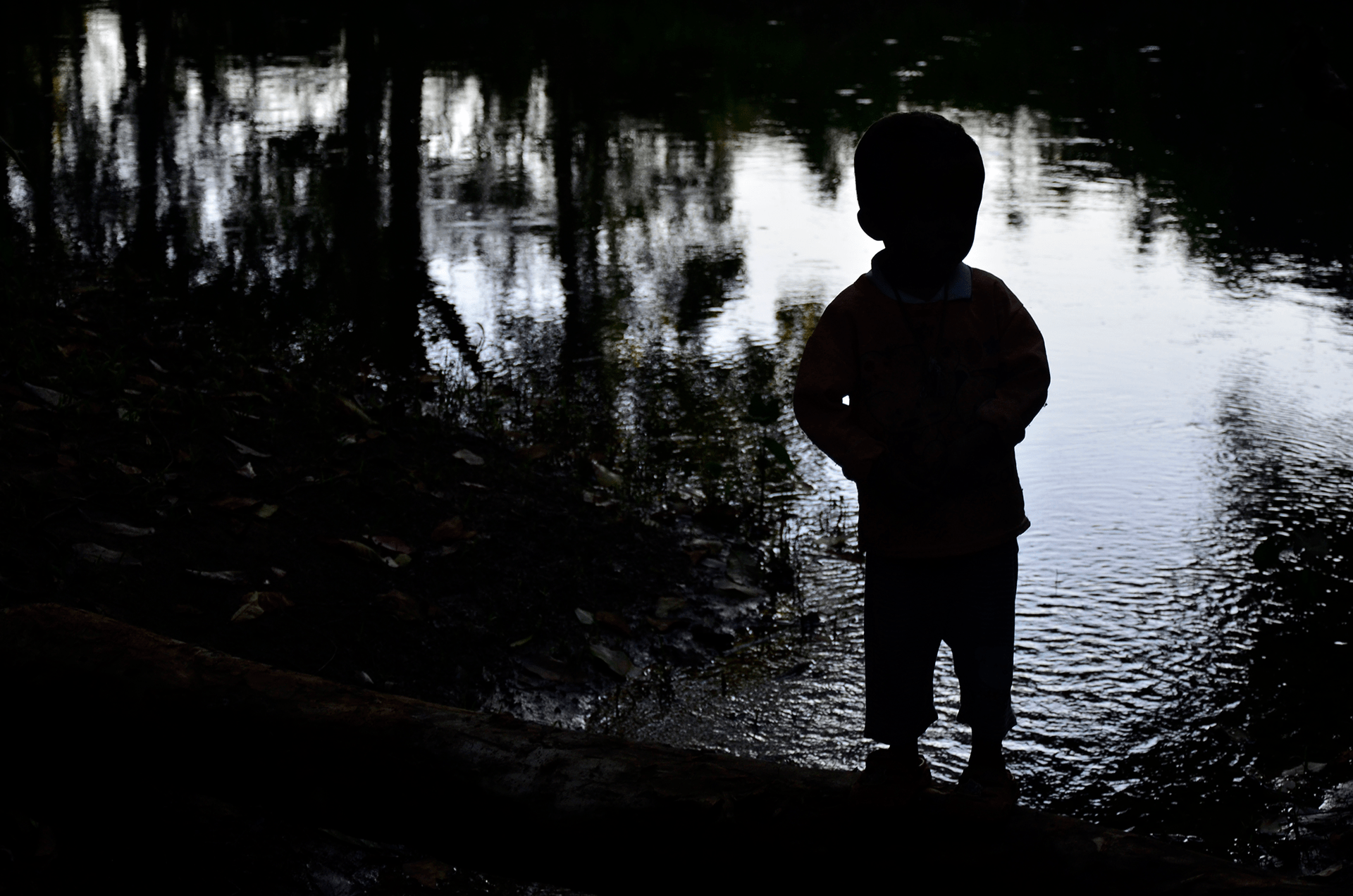
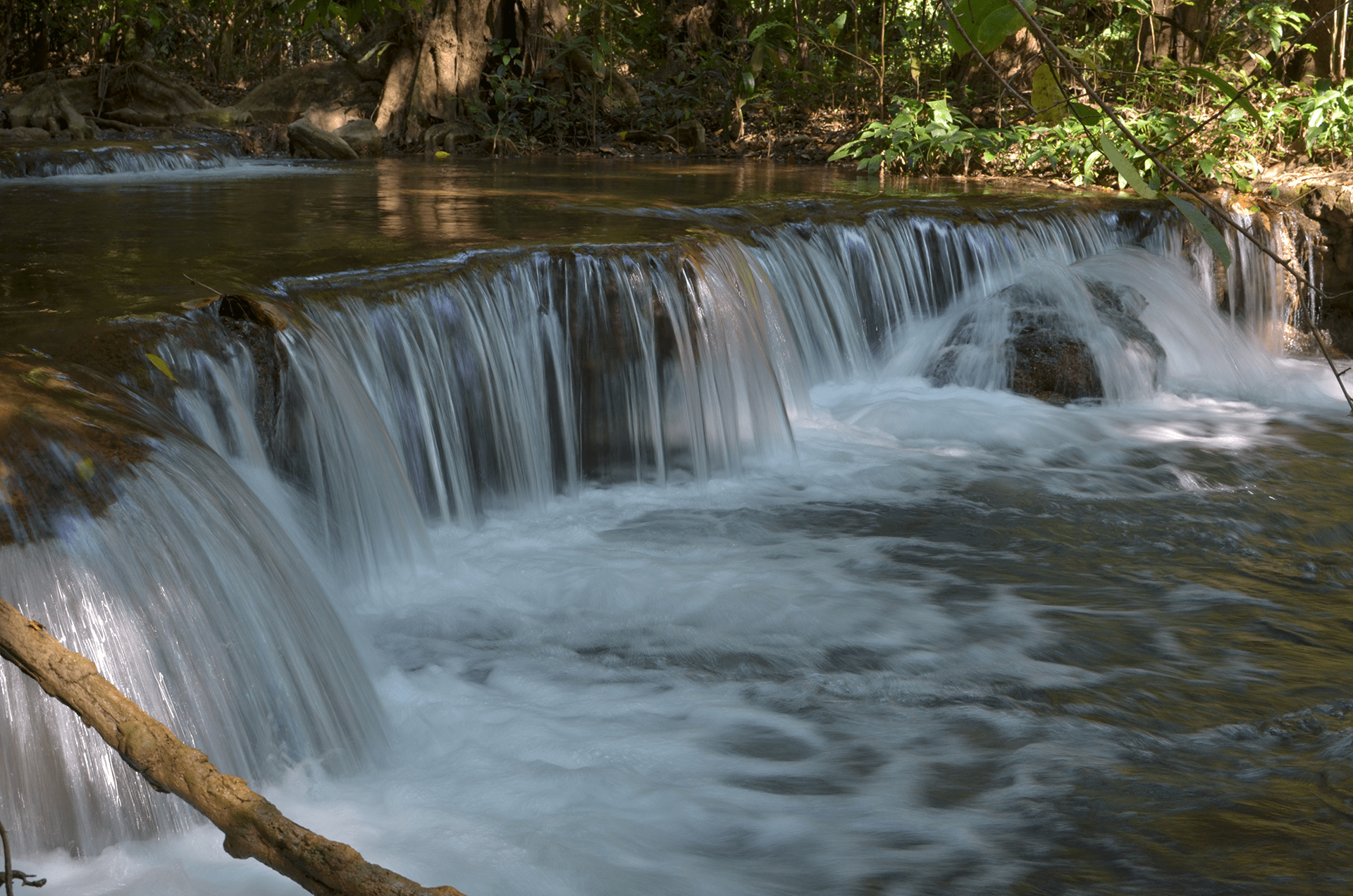
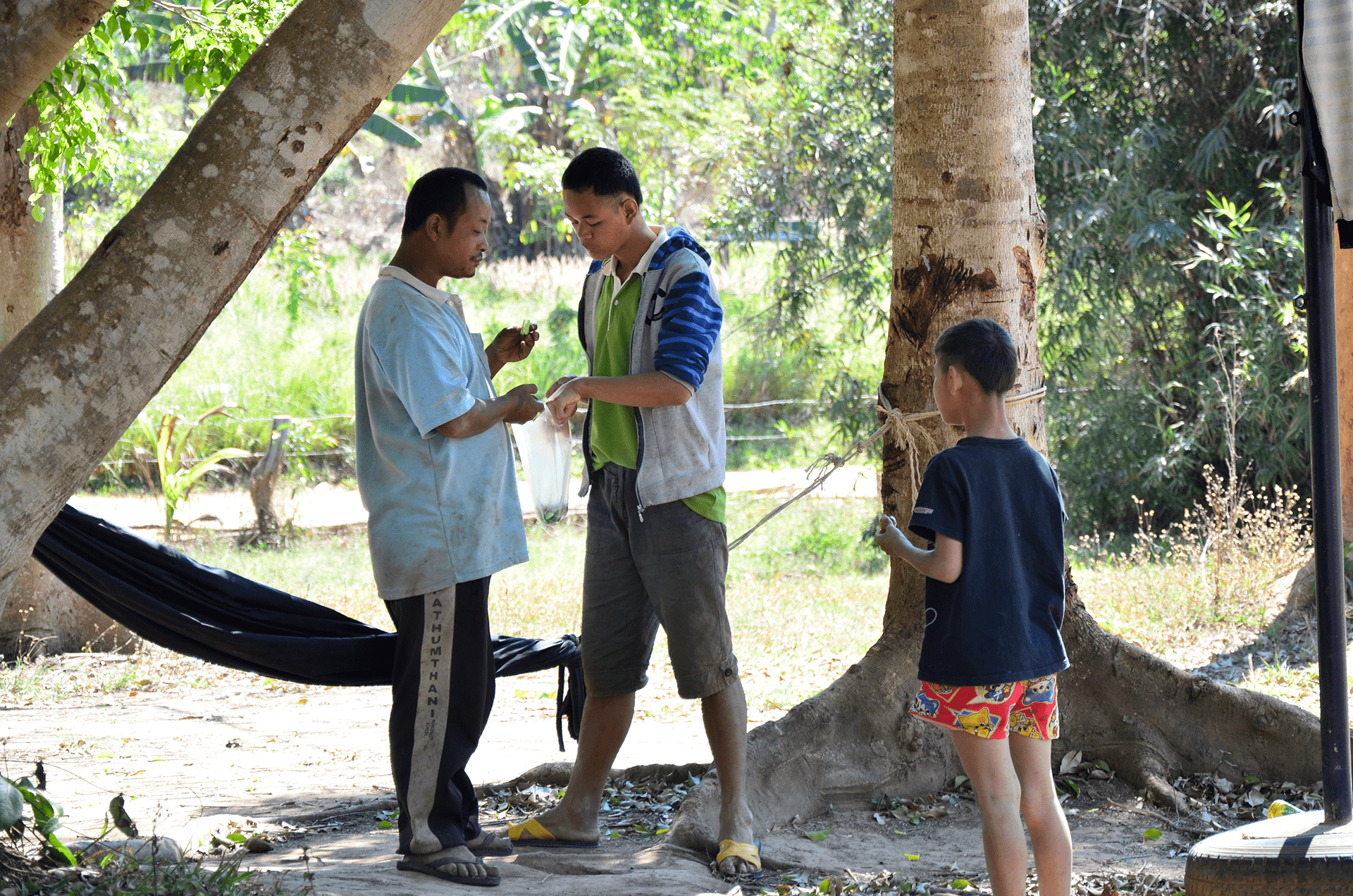
Klity Creek residents rely on the Klity stream to sustain their livelihood; although it looks like any other picturesque stream, it is fatally poisonous.


The lethal effects of lead poisoning


By 1972, residents started to notice that the creek was slowly turning cloudy and muddy-red and had developed a foul hot spring-like smell. Disturbingly, huge numbers of dead fish floated up to the surface, and not long after, the residents themselves started to fall ill. Many experienced headaches, dizziness, stomach pains, numbness in the limbs, swelling, and fatigue. When treatment with traditional medicine yielded no results, the community became greatly concerned. For some, their illness was so severe as to be fatal. Most worryingly, many newborns were born with birth defects, including macrocephaly, congenital limb defects, vision impairments, polydactyly, and developmental issues. Miscarriages and infant mortality were increasingly reported.

The Jo family’s battle with the health effects of lead poisoning
 
Karen Brothers Jo Ti Pai and Jo Sor Wor (aged 31 and 20, respectively) and their cousin, Jo Pu Jai (aged 14), were all born with congenital brain defects. 
 
“Sawaddee krub (hello),” say the boys with cheerful smiles whenever they meet other villagers. However, beneath the facade of happiness lies a story of unimaginable suffering. In 2015, their father passed away. Like many others in the community, he was found to have more than 41 mg/dL of lead in his blood, a concentration that far exceeds any safety standards. With the death of their father, the responsibility to provide income fell solely on their mother’s shoulders who cannot speak Thai and suffers from poor health. She takes up work as hired labor in the fields to make a living and support her children.
 
Let’s get to know the members of the Jo family.
Jo Ti Pai, Jo So Wor and Jo Pu Jai (left to right)
Jo Ti Pai


Jo Ti Pai was born in 1990, around the time that the lead mine discharged lead effluents at its full capacity. Jo Ti Pai’s mother enjoys fishing. Even when she was pregnant with him, she continued to fish regularly in the creek. 

Until the age of 4, Jo Ti Pai’s development seemed to be on track. He started to walk at 11-month-old and mumbled his first word at 2-year-old. But when he turned 5, he developed an abnormal seizure that sometimes lasted for ten minutes. Desperate for a cure, his mother resorted to traditional herbal medicine. Whilst this reduced the severity of his seizures, many developmental issues remained, for example, speech and walking impairment.

 
When he was able to walk, Jo Ti Pai often strayed around the community, broke into others’ houses and destroyed their belongings, ate their meals, and was often ill-tempered. He threw plates and bowls, and he bit people when he was not happy. His parents had to compensate other residents for his destruction. Often, he would disappear for days and even wonder so far from the village that he would end up in other communities. His family would have to borrow a neighbour’s motorbike to search for him, having to also borrow money to afford the fuel costs. Often they do not have enough money and end up borrowing from neighbors and relatives and getting into debt. On top of taking care of Jo Ti Pai and his mischief, his parents also had to work to provide a living for the family. 
 
Feeling trapped in the cycle of having to constantly take out loans from neighbours and relatives to clean up Jo Ti Pai’s destructive behaviour, his parents finally decided to keep him chained up when he was twelve years old. Though not a solution they would have liked to have gone with, Jo Ti Pai’s parents felt that there was no other option. They could no longer be responsible for his antics.
"I have considered letting my son die before because of his uncontrollable behaviour. This thought has occurred to me more than once, but I have never been able to go through with it. Every time I looked at Jo Ti Pai’s shackled body, I saw his sad face, filled with despair, worry, and pain"
 
"I have considered letting my son die before because of his uncontrollable behaviour. This thought has occurred to me more than once, but I have never been able to go through with it. Every time I looked at Jo Ti Pai’s shackled body, I saw his sad face, filled with despair, worry, and pain,’ recounts Jo Ti Pai’s mother, who still remembers these past memories with great sorrow."
 
When he was eighteen years old, Jo Ti Pai was finally unchained. Though his habit of exploring and wandering hadn’t disappeared, his tendency to act violently had. Rather than destroying people’s possessions, Jo Ti Pai was more often out and about playing with kids in the village. Many in the community were happy to let him play with their children. Some children even developed such a strong affection for him that they would refuse to eat unless they were fed by him.
 
Growing up into adulthood, Jo Ti Pai is now viewed with much fondness by the community and much of his mischievous past has been forgotten. He developed a range of practical skills, such as cooking. To earn an income, he has also started to help neighbouring farms to transport maize in return for money, food, cigarettes, and alcohol. However, he refuses to work for the family farm as he knows that he won’t get compensated for his work. Despite this, he still returns home from time to time.
 
Jo Sor Wor


Jo Sor Wor was born in 2001, three years after the lead mine was closed. Similar to when she was pregnant with Jo Ti Pai, Jo Sor Wor’s mother continued to fish in the creek when she was pregnant with him. On her fishing trips, she would also drink directly from the creek when thirsty, despite the water’s muddy-red appearance. When Jo Sor Wor was born, his skin was covered in stains, as if he had been playing in the mud. Even the doctor was surprised. 


With a small and fragile body, Jo Sor Wor only started crawling at the age of four, walking at five and talking at six. Constantly ill and in poor health, he was regularly in hospital receiving treatment. His low blood count meant that he frequently had to receive transfusions.


His mother recalled a time when she took Jo Sor Wor to go fishing once when he was very young: ‘Jo Sor Wor was so naughty and restless that he fell into the water. Out of anger and despair, I left him there in the creek. Luckily, one of my friends had accompanied me that day. She quickly helped carry Jo Sor Wor out of the water and took him home.’ 


When Jo Sor Wor was nine years old, she got the opportunity to study at Suphan Panyanukul School, a special needs school in Suphan Buri province. His parents had to take out loans from their neighbours and relatives to cover the transportation costs.


Compared to his siblings, Jo Sor Wor is very disciplined and responsible. He is always ready to lend a helping hand to his mother with household chores. He often goes to the community school or the temple waiting for donations.


Jo Pu Jai


Jo Pu Jai was born in 2007, when the Klity creek was still contaminated. From a young age, he has suffered from various illnesses, being hospitalised for the first time when he was only eight-month-old. When he was five years old, he contracted malaria and was again hospitalised for a week. On their journey back from the hospital, the Jo family were involved in a traffic accident, and Jo Pu Jai was badly hurt, requiring 48 stitches for his injuries. When he was seven years old, Jo Pu Jai was accepted to study at the same school as Jo Sor Wor in Suphan Buri province.


Like Jo Ti Pai, Jo Pu Jai eventually developed a mischievous demeanour, often wandering around the community causing trouble with his habit of biting people. Again, his mother was constantly overwhelmed with having to chase after him. Recently, he has developed an addiction to tobacco, causing more concern for his mother.


A traditional way of life disrupted
A deep bond between the community and the creek


The Lower Klity community is composed of the Karen people, who have resided in the Thung Yai Naresuan hills for generations. Their way of life relies heavily on the richness and abundance of the natural landscape. Until not too long ago, when money was not of material importance in Lower Klity, the knife, hoe, and spade was all that was required. Using a traditional Karen system of rotational farming, the community tended to their farms to grow local fruits and vegetables, as well as rice. Life in Lower Klity was simple, with traditions passed through the generations keeping the community spirit alive.


 However, this way of life was turned upside down when the creek turned muddy-red and foul-smelling. With no fish or wildlife to catch in the water, the community became dependent on vendors who travelled from elsewhere for food. When people eventually started falling ill from lead poisoning, their journey to the closest municipal hospital was difficult and arduous. It often took a whole day as cars could not directly reach the community due to the lack of paved roads. The sick would first have to make a two-hour journey through twelve kilometres of rough terrain on a tractor, before being transferred onto a pickup truck. Even then, it was still another fifty-kilometre-long journey on unpaved roads before reaching the final leg of the journey of two more hours on concrete roads.


With these changes in necessities and needs, the community started having to rely more on cash, whether to cover the cost of transport, for food, or for medical care. Many were forced to shift from growing local vegetation to commercial monoculture crops, such as maize and cassava, in order to support their financial needs. Every year, thousands of tonnes of maize from Lower Klity are sold off to produce animal feed for pig, poultry, and fish farming.

The Klitycreek acts as a tributary for the Srinagarind reservoir, which itself feeds into the Mae Klong river and the Maha Sawat canal. The water in this system is used to provide running water to residents in Thonburi, a densely populated area of Bangkok. Eventually, all these water systems empty into the Gulf of Thailand, a natural resource on which the entire nation relies upon. The risk of lead poisoning from the Klity creek is thus not limited to just the community there but instead extends to a much larger population’.


Commenting on the scale of the contamination issue, a senior member of a private social development organisation states the following: ‘Since the soil in Chalae sub-district, where the Lower Klity community is situated, is extremely rich in lead, the maize that is grown in the area and processed into animal feed will undoubtedly contain lead too. Further along the food chain, this lead may still persist and end up in the food products sold and consumed in restaurants, markets, hotels, and malls. Similarly, using water from the creek to water the crops will exacerbate this issue. Worryingly, the Klitycreek acts as a tributary for the Srinagarind reservoir, which itself feeds into the Mae Klong river and the Maha Sawat canal. The water in this system is used to provide running water to residents in Thonburi, a densely populated area of Bangkok. Eventually, all these water systems empty into the Gulf of Thailand, a natural resource on which the entire nation relies upon. The risk of lead poisoning from the Klity creek is thus not limited to just the community there but instead extends to a much larger population’.

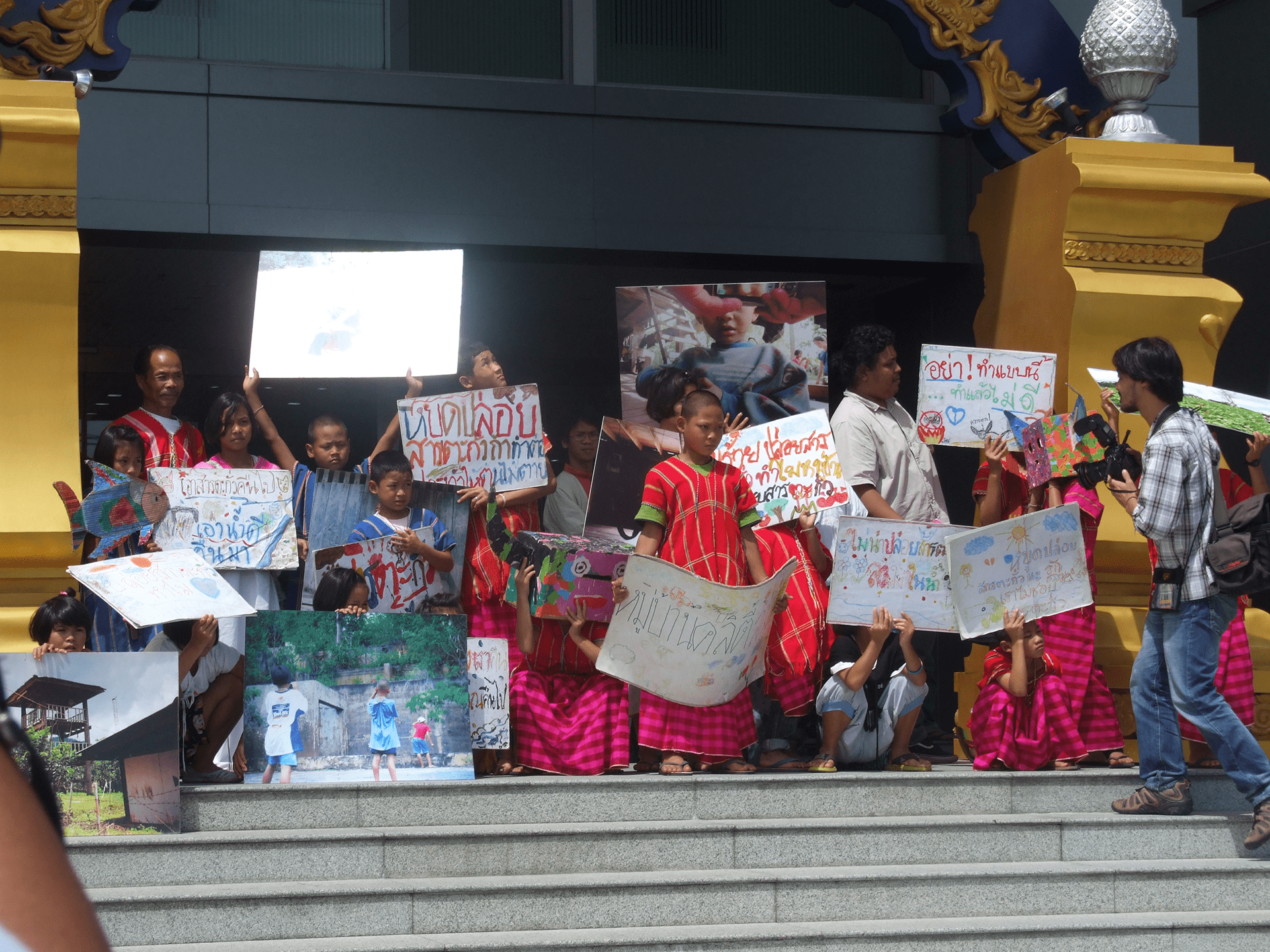
The community’s call for change
 
Photo courtesy of EnLaw Foundation
How is justice that is never delivered any different from injustice?


Stories like that of the Jo family clearly display the devastating effects lead poisoning can have on health and wellbeing. However, their story is by no means unique. Whether they have been affected economically, physically, or mentally, every family in the community has a story to tell about their own experiences. The Lower Klity community have thus been calling for change.


A wealth of evidence exists to support the community's claims that a gross injustice has been done. In addition to the well-documented cases of medical harm, the Administrative Court of Thailand and the Civil Court have both provided rulings which clearly state that both the State and the private firms involved in polluting the creek are responsible for the remediation process. Despite this, twenty years have passed, and no action has been taken. This has led many in the community to pose the question, ‘how is justice that is never delivered any different from injustice?’


For adults in the community, many of their fears are no longer for their own personal health, but instead for future generations. To this day, blood lead levels of children in Klity still far exceed medically safe levels and have been increasing year-on-year. How many more generations will have to suffer before those in power take responsibility and finally remove all lead from the creek?
‘The community is my main motivation to conserve the environment and the Earth.’
 

I am Thanakrit Thongfah, the author of this story. I am also Pwo Karen and was born in the Lower Klity community.  My family was poor and they struggled to provide for me. However, when I was young, I was provided support from generous foster parents. They took me to Bangkok and raised me there. Eventually, I went to study law at university. It was at this point in time that I became more aware of the issues in Klity, which motivated me to reach out to social development organisations who were involved with assisting the community in Klity. I have been involved with the project ever since.


Over the years, I have gained a large amount of knowledge and invaluable experience whilst campaigning for the community’s rights. I have learnt a lot from the people who have joined me on this journey, including the lawyers leading the legal battle, the researchers documenting issues and providing expertise, and the activists raising awareness through public campaigns.


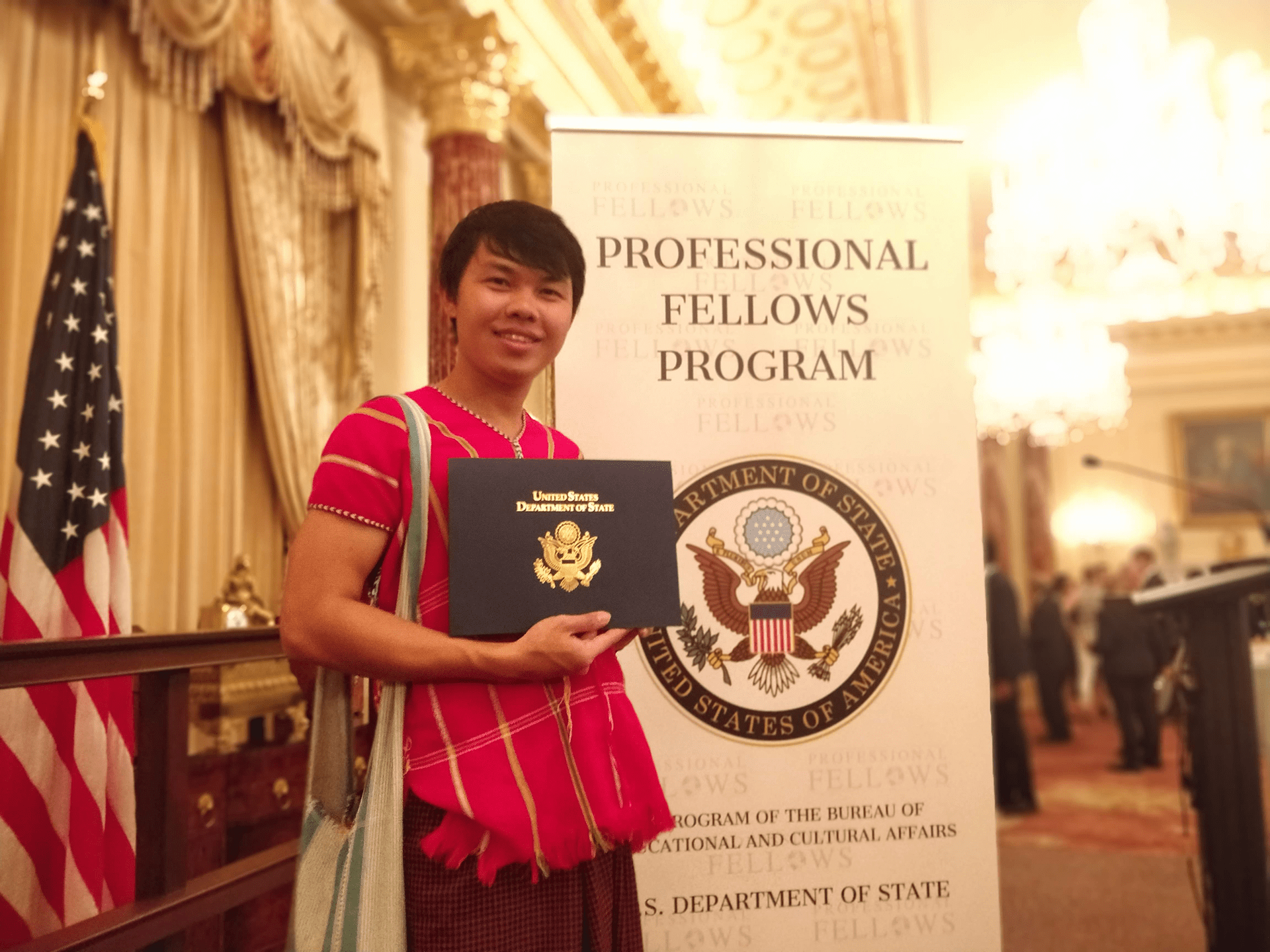
The fight for justice in Klity has been a big motivation for me to seek out other communities that are suffering from the effects of industrial environmental damage. During the autumn of 2019, I had the opportunity to participate in the United States-funded Young Southeast Asian Leaders Initiative Professional Fellows Program (YSEALI PFP). There, I was able to meet and exchange ideas with other social change leaders in the United States.

The state and community participation


In Helena, Montana, I was hosted as a fellow by the Montana Department of Environment Quality, the state’s main agency responsible for monitoring and conserving the environment. During my time there, I conducted many field trips with the agency. This included a trip to Berkeley Pit in Butte, Montana, a copper mine that started operations in 1955. The mine built a considerable amount of wealth for the landowners and produced close to 100,000 tonnes of copper before closing in 1982.


Many lessons can be learnt from how the state handled the closure of Berkeley Pit. Without a doubt, many scars in the landscape remained long after the mine closed. However, rather than leaving the site to deteriorate further, the state decided to repurpose the land as a museum. The site now hosts the World Museum of Mining, one of the largest mining museums in the world. Through this initiative, future generations can now visit the mine to gain valuable knowledge of not only mining, but also the impact it can have on the environment and how to responsibly treat natural resources.


The community as an important stakeholder in the management of natural resources


I also had the opportunity to visit the Seli’š Ksanka Qlispe’ Dam in the Flathead Indian Reservation near Polson Montana. Built on the Flathead River, the hydroelectric dam produces energy for the Energy Keepers, a company run by the Confederate Salish and Kootenai Tribes. The dam is a first of its kind as no other dam had been operated by an indigenous group before. Together with the central government, the Salish and Kootenai tribes were able to secure the land which they have lived on for generations and still continue to consider as sacred. Many of the sites in the area are of great religious and cultural importance.


As the Karen people also believe strongly in the principles of environmental preservation, this example set by the Salish and Kootenai tribes interested me greatly. Our people share the belief that a community’s well-being is dependent on the environment. With this philosophy in mind, many benefits can be found when the State allows local communities to have a say in the management of natural resources. Importantly, this process will result in the smallest negative impact on the environment, while still delivering beneficial outcomes for both the community and the State in a sustainable manner. I also hope that by consulting local communities, projects can be carried out with the assurance that wildlife and natural resources will remain protected for generations to come.


I would like to thank the Lower Klity community and social development organisations that have aided the cause in helping me develop a passion for the environment. I shall continue to fight for its preservation.


This article is translated by Tarit Konuntakiet

Written by
Thanakrit Thongfa
A Pwo Karen residing in Kanchanaburi. Always stand up and fight for the environment for the community, minority, and indigenous people. My dream is that the indigenous people, minorities, communities, and our planet are protected by fair policies, strong law enforcement, and without any discrimination because I believe that all humans are equal.